


Colorever: Gem Art Puzzle
4.7164.00 Reviews
App Specs
- Version
- 1.17.0
- Updated On
- License
- Free
- Downloads
- 500,000+
- Developer
- Oakever Games
- Categories
- Puzzle
- Platform
- Android
Screenshots
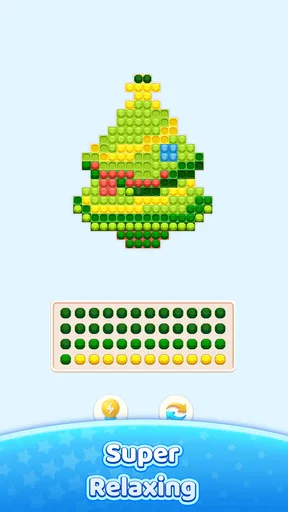
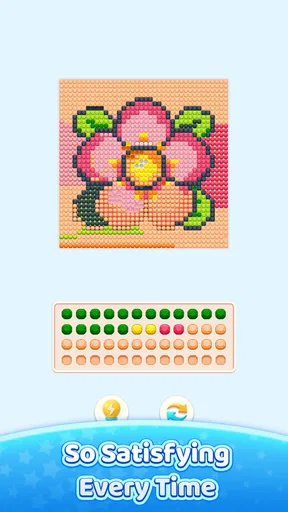
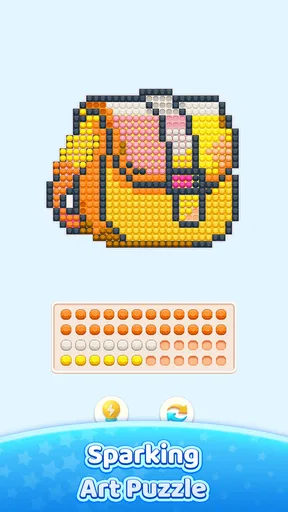
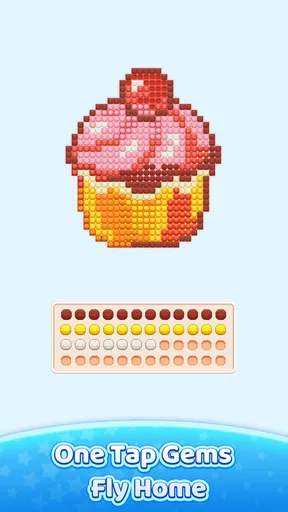
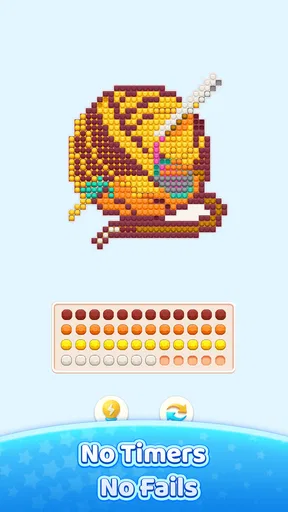
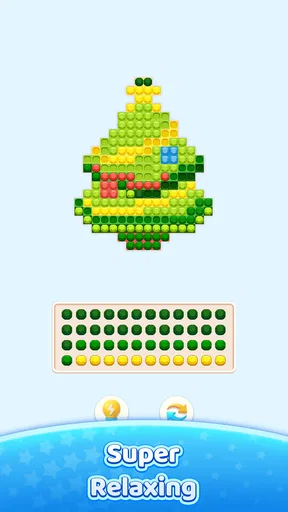
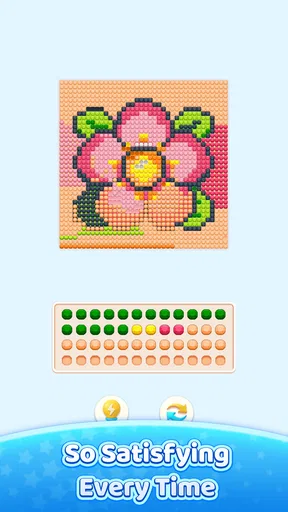
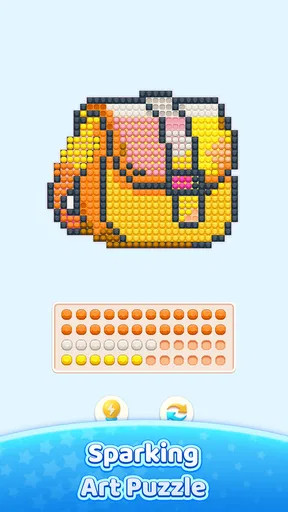
 Analysis by AppCompare
I found Colorever: Gem Art Puzzle most appealing when I wanted something gentle to do without turning relaxation into another competition. This is a free puzzle game from Oakever Games built around completing gem-style artwork, and its biggest idea is simple: I can work through a picture at my own pace, without a countdown pushing me or a failure screen interrupting the mood. That makes it an easy recommendation for quiet breaks, although it also means people looking for pressure, strategy, or a constantly changing challenge may find it too calm.
After spending time with it, my overall view is that Colorever succeeds because it understands the difference between a puzzle that demands concentration and one that helps me settle down. The interaction is approachable, the visual goal is clear, and the lack of timers makes it comfortable for casual play. It is not trying to replace a deep logic game, a competitive match-three title, or a large adventure. Instead, it offers a focused creative routine that works particularly well when I have only a few minutes and do not want to learn complicated rules.
Why the relaxed format works so well
The central appeal is the gem-art format. Rather than asking me to solve a difficult riddle or plan several moves ahead, the game turns picture completion into a sequence of small decisions. I can look at the artwork, identify an open area, and continue filling it in. That steady progress gives each session a visible purpose without making the experience feel like work.
The absence of timers is more important than it may sound. In many puzzle games, the clock quietly changes the way I play: I start rushing, make careless choices, and eventually associate the game with pressure. Here, I can pause to look at the image, put the device down, and return later without feeling that I have wasted a turn. For me, that makes it a better companion for a short evening wind-down than a typical speed-focused puzzle.
There are also no fail states shaping the session. I do not have to protect a limited number of attempts or worry that one imperfect action will send me backward. That removes a major source of friction for younger players, older relatives, and anyone who prefers creative activities over tests of accuracy. The real reward is the gradual transformation of an unfinished canvas into a completed piece, not a high-pressure score chase.
I particularly like how this structure supports interrupted play. A realistic use case is waiting for an appointment or taking a quiet break between household tasks. I can open the game, complete a small portion of a picture, and stop when I need to move on. It does not demand a long uninterrupted session, and the visual progress makes even a brief visit feel worthwhile.
A simple learning curve with a useful rhythm
Colorever is easy to understand because its purpose is visible almost immediately. I do not need to study a complicated tutorial or memorize a collection of special abilities before I can enjoy it. The game’s accessibility is one of its strongest qualities, especially for someone who normally avoids puzzle games because they seem intimidating.
Worth Reading Before You Choose

Baby Panda World Brings Quick Play to Modern Phones, but Its Game Library Feels Busy

ESPN’s Live Game View Makes Following Close Games Easier

QuizzLand Review: A Good Fit for Short Trivia Breaks, Not Every Player

Basketball Stars: Multiplayer Is Fast, but Can It Recover When Matches Go Wrong?

WEBTOON Turns Phone Updates Into a Better Reading Routine

Link to Windows Runs on Shared Habits, Not Social Feeds
That simplicity does not mean every moment feels identical. The rhythm comes from switching between searching for the next area, placing the appropriate gems, and stepping back to see how the image is developing. I found that the best way to play is not to chase completion as quickly as possible. I usually choose a section that looks visually interesting, finish it carefully, and then move to another area once the picture starts to take shape.
One practical tip is to treat the artwork as a series of small projects rather than one large task. When I focus on a manageable section, the game feels more satisfying and less repetitive. This approach is also useful if I am playing while tired, because I can stop after a natural visual milestone instead of leaving the image in a random half-finished state.
Another useful habit is to vary the scale of my attention. Sometimes I concentrate closely on the next placement; at other times I pause to view the broader composition. That change keeps the activity from becoming purely mechanical. The game is at its best when I notice both the small act of filling a space and the larger picture emerging from those choices.
Where it fits among familiar puzzle games
Compared with match-three games, this is much less frantic. Match-three titles often depend on chains, limited moves, boosters, or escalating targets. They are better when I want quick reactions and a sense of tactical momentum. Colorever is the better choice when I want the opposite: a slower visual task where the pleasure comes from completion rather than from beating a level before a resource runs out.
It also differs from traditional logic puzzles. Sudoku, nonograms, and similar games ask me to reason through constraints and prove that a solution works. Colorever does not offer that same mental workout. Its challenge is lighter and more sensory, which makes it suitable for relaxation but less compelling for anyone specifically seeking demanding problem-solving.
Coloring apps are a closer comparison because both activities can feel creative and calming. The distinction is that gem-art placement gives me a clearer sense of guided progress. I am not deciding every color from scratch; I am following the structure of the artwork while watching it become complete. That can be a strength for people who enjoy creative results but do not want the open-ended responsibility of designing an image themselves.
On the other hand, someone who wants freehand expression may prefer a drawing or coloring tool. Colorever gives me a curated path through each image, so its relaxation comes from focused completion rather than unlimited experimentation. That trade-off is central to deciding whether it belongs on your device.
The quiet strengths that are easy to overlook
The first less-obvious strength is how well the game handles different energy levels. I can play attentively when I want a small mental task, or use it almost meditatively when I need to slow down. Because the format does not punish pauses or mistakes, I am free to choose my level of involvement instead of adapting myself to the game’s demands.
The second is its suitability for shared, low-pressure use. I can imagine handing it to a child who wants a creative activity, or showing it to a family member who is uncomfortable with complicated controls. The Everyone content rating supports that broad accessibility. I would still guide a younger player at first, not because the basic concept is difficult, but because the most enjoyable way to use it is learning to work patiently through the image.
The third is that the lack of failure changes the emotional tone of completion. In many games, finishing a level feels like surviving a test. Here, it feels closer to tidying a visual space or completing a small craft project. That distinction matters if I am using the game before bed, during a stressful day, or whenever I want entertainment that does not raise my adrenaline.
There is also a useful psychological trade-off in the highly structured artwork. The structure limits creative freedom, but it reduces decision fatigue. I do not have to decide what to draw, which palette to choose, or whether my result looks good enough. I can simply follow the puzzle and enjoy the image taking form. For me, that makes it easier to start playing on days when a more open-ended creative app would feel like too much effort.
The main limitation: calm can become repetition
The same design that makes Colorever welcoming can also make it feel limited. Since there is no timer and no fail condition, the game does not create much urgency. If I am in the mood for a strong sense of challenge, the relaxed format may feel more like a digital activity book than a conventional puzzle game.
Repetition is the other concern. The basic pleasure comes from continuing the same kind of image-completion process, so players who need frequent mechanical surprises may lose interest. I would not choose this as my only game if I wanted varied objectives, strategic depth, or a strong progression system. Its appeal depends on enjoying the act itself, not on expecting every session to introduce a new kind of problem.
There is also a potential issue with motivation. Without failure, competition, or time pressure, I have to supply my own reason to continue. That is ideal for a relaxed player, but less effective for someone who needs goals imposed by the game. If you usually play puzzle titles to chase personal records or clear increasingly difficult stages, this experience may seem too forgiving.
The in-app purchase model is worth considering as well. The game is free to start, while purchases are listed at $5.99 per item. I would approach those optional costs thoughtfully rather than assuming that every available addition is necessary. The free entry makes it easy to test whether the artwork and pace suit you, but anyone trying to keep mobile spending tightly controlled should review purchase prompts carefully before committing.
Who will enjoy it most
I would recommend Colorever to people who want a relaxing puzzle game with a clear visual payoff and very little pressure. It is a strong fit for casual players, families, and anyone who likes coloring-style activities but prefers more guidance. It also makes sense for players who often abandon games because timers, lives, or complicated controls make them feel stressful.
It can be especially useful as a transition activity. I might play it after work while listening to something quiet, during a short rest from chores, or when I want to put my phone to a calmer use than scrolling. The game gives my attention somewhere specific to go, which is often more satisfying than passively moving between unrelated feeds.
I would be more cautious about recommending it to dedicated puzzle fans. If your ideal game involves planning several moves ahead, discovering hidden rules, or overcoming increasingly severe obstacles, this probably will not provide enough depth. A logic puzzle, word game, or strategy title would be a better match for that appetite.
It is also not the right choice for people who want full artistic control. The guided gem-art approach is intentionally constrained. That is why it feels accessible, but it also means the finished result reflects the game’s design more than the player’s personal style. I see it as a completion-focused creative pastime, not a replacement for a drawing studio.
Device fit, access, and practical expectations
The game is available as a free title for Android, with a minimum operating-system requirement of 7.1. That makes it approachable for people using older compatible devices, although the actual comfort of play will still depend on screen size and how easily you can see the artwork. On a small display, fine gem placement may feel less comfortable during longer sessions than it does on a larger phone or tablet.
Oakever Games has positioned the release in the puzzle category, and the current version is 1.17.0. I would keep the game updated through the normal app store process so that I am playing the maintained version available for my device. Its broad audience is reflected in the Everyone age rating, while the free price makes trying the core experience a low-commitment decision.
The game has built a visible audience, with over 500 thousand installs and a 4.7 average from around 5 thousand ratings. Those figures do not guarantee that every player will enjoy the unhurried format, but they do suggest that the basic idea connects with many people. I would still use the first session as the real test: if the act of completing a small section feels soothing rather than repetitive, the game is probably a good personal fit.
My final recommendation
Colorever: Gem Art Puzzle is a focused, friendly game that succeeds by refusing to rush me. Its strongest qualities are the peaceful pace, approachable gem-art interaction, and freedom to play without the anxiety of timers or failures. I found it most rewarding when I treated it as a short creative ritual rather than as a conventional challenge-based puzzle.
Its limitations are equally clear. The experience may not hold the attention of players who expect strategic depth, dramatic progression, or constant novelty. The structured format leaves little room for personal artistic decisions, and the optional purchases at $5.99 per item are something I would consider carefully. Those are fair trade-offs, but they should be understood before downloading.
My verdict is positive for the right audience. If you want a calm way to complete attractive artwork, need a game that welcomes interruptions, or prefer gentle concentration to competitive pressure, I think this is worth trying. If you want puzzles that test deduction or quick thinking, choose a more demanding alternative instead. For me, the clearest recommendation is simple: download it when relaxation and visible progress matter more than difficulty.
Pros
- Relaxing gem-by-number gameplay suitable for short sessions.
- Bright artwork makes progress easy to see and satisfying.
- Simple controls are accessible for most ages and skill levels.
- Large variety of pictures helps keep the experience fresh.
- Works well as a calming activity during commutes or breaks.
Cons
- Some images may feel repetitive after extended play.
- Precision tapping can become tiring on smaller phone screens.
- Progress may feel slow when unlocking premium-looking artwork.
- Frequent visual effects could be distracting for some players.
- The game offers limited challenge for users seeking complex puzzles.
FAQs for Colorever: Gem Art Puzzle
What is Colorever: Gem Art Puzzle?
Colorever: Gem Art Puzzle is a relaxing color-by-number game in which you complete pictures by placing colorful gems on matching spaces. The gameplay is simple to learn, but the growing variety of designs keeps it engaging. It is aimed at players who enjoy creative puzzles, calming activities, and short sessions that can be played whenever they have a few spare minutes.
How does the gameplay work in Colorever: Gem Art Puzzle?
Each picture is divided into numbered or colored sections, and your task is to select the correct gem and place it in the corresponding area. As you progress, images may include more details and a wider range of colors, requiring closer attention. The controls are generally touch-based, making the game accessible for beginners while still providing a satisfying completion process.
Is Colorever: Gem Art Puzzle free to download and play?
Colorever: Gem Art Puzzle can generally be downloaded without an upfront purchase, although the exact availability and payment model may depend on your device and region. Like many casual puzzle games, it may include optional advertisements, in-app purchases, or premium content. Before downloading, users should review the store listing for current pricing, subscription details, and any restrictions.
Can I play Colorever: Gem Art Puzzle offline?
Some of the core coloring and gem-placement activities may be available without a continuous internet connection, which makes the game suitable for travel or quick offline sessions. However, advertisements, new image downloads, cloud synchronization, events, and purchases may require internet access. Availability can vary by version, so it is best to test offline functionality after installing the latest release.
Is Colorever: Gem Art Puzzle suitable for children and casual players?
The straightforward controls and non-competitive coloring format make Colorever: Gem Art Puzzle suitable for many casual players, including users who prefer relaxing games over fast action. Parents should still check the age rating, advertising content, privacy information, and in-app purchase settings before allowing children to play. Younger users may also benefit from supervision when optional purchases are enabled.


